Sometimes, a cough or shortness of breath may seem like something normal. However, in some cases, it could be asthma without you realizing it.That is why Beyond is here to help you understand asthma symptoms, types, and ways to manage it better.
What Is Asthma?
Asthma is a chronic disease that affects the chest and airways.As a result, it causes inflammation and narrowing in the airways, which makes it harder for air to move in and out. This can lead to repeated breathing symptoms, especially when certain triggers are present.
Asthma Symptoms
If you experience some symptoms repeatedly, it is important to pay attention.Common asthma symptoms include:Therefore, if these symptoms keep happening, they could be signs of asthma.
What Can Trigger Asthma?
Asthma can get worse or be triggered by different factors. Most importantly, triggers can vary from one person to another.Common asthma triggers include:That is why knowing your own triggers is an important step in managing asthma and reducing asthma attacks.
Types of Asthma
Asthma has different types, and each type may appear or get worse because of certain factors.Therefore, asthma is not always the same for everyone. Its types and triggers can differ from one person to another.
Why Does Asthma Get Worse at Night?
Many people notice that asthma symptoms get worse at night. This may happen because:
The airways become narrower
Coughing increases
Breathing becomes heavier
This can also lead us to another issue, which is sleep apnea.
What Is Sleep Apnea?
Sleep apnea is a problem that happens while you are sleeping. During sleep apnea, the airway becomes partially or completely blocked, causing breathing to stop and start again.Signs of sleep apnea include:
Loud snoring and waking up feeling choked
Uncomfortable sleep and feeling tired throughout the day
Therefore, if you snore loudly or wake up feeling choked, it is important to get checked.
What Can You Do to Manage Asthma?
Managing asthma depends on consistency, knowing your triggers, and adjusting some daily habits.You can help yourself by:Asthma may be a chronic condition, but it can be managed when you understand your symptoms and know what triggers them.By using your inhaler regularly, avoiding dust and smoke, and paying attention to nighttime symptoms or snoring, you can take better care of your breathing and overall health.Beyond is always with you to help you understand your body and feel reassured about your health.

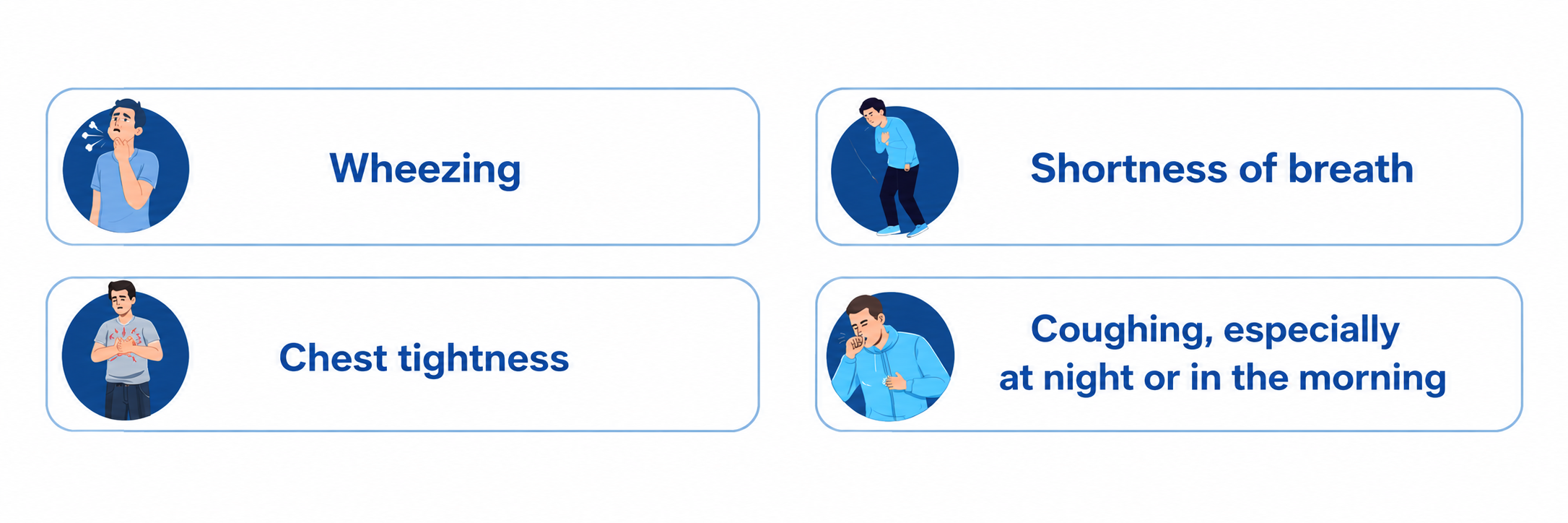 Therefore, if these symptoms keep happening, they could be signs of asthma.
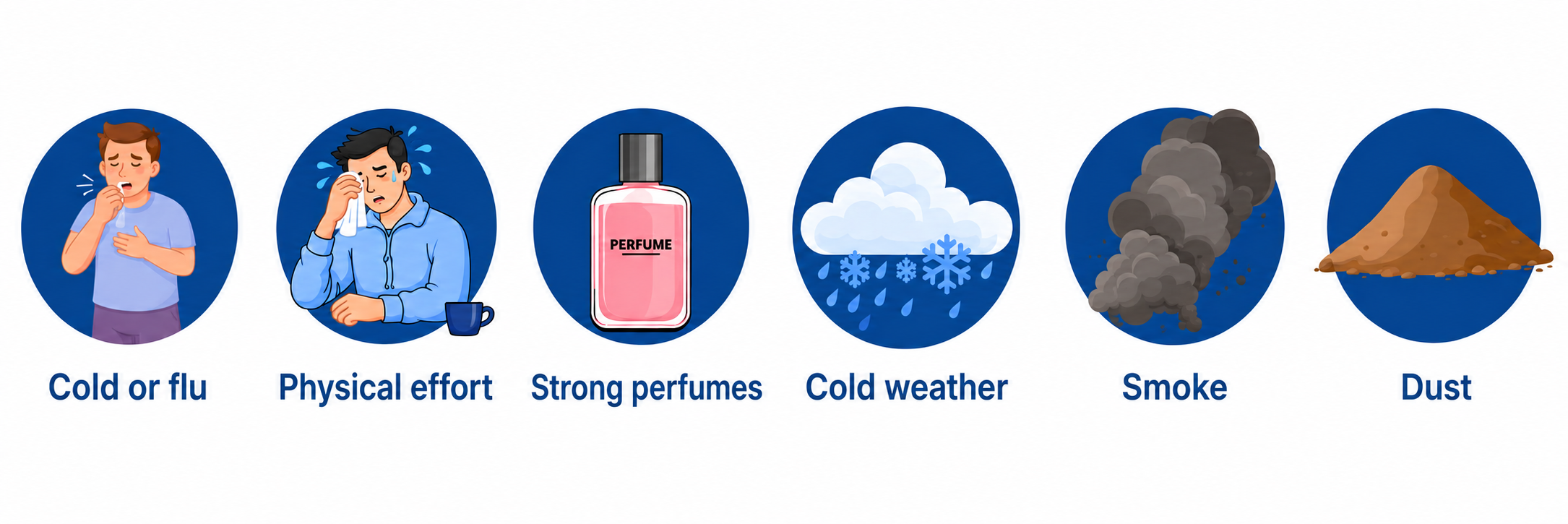 That is why knowing your own triggers is an important step in managing asthma and reducing asthma attacks.
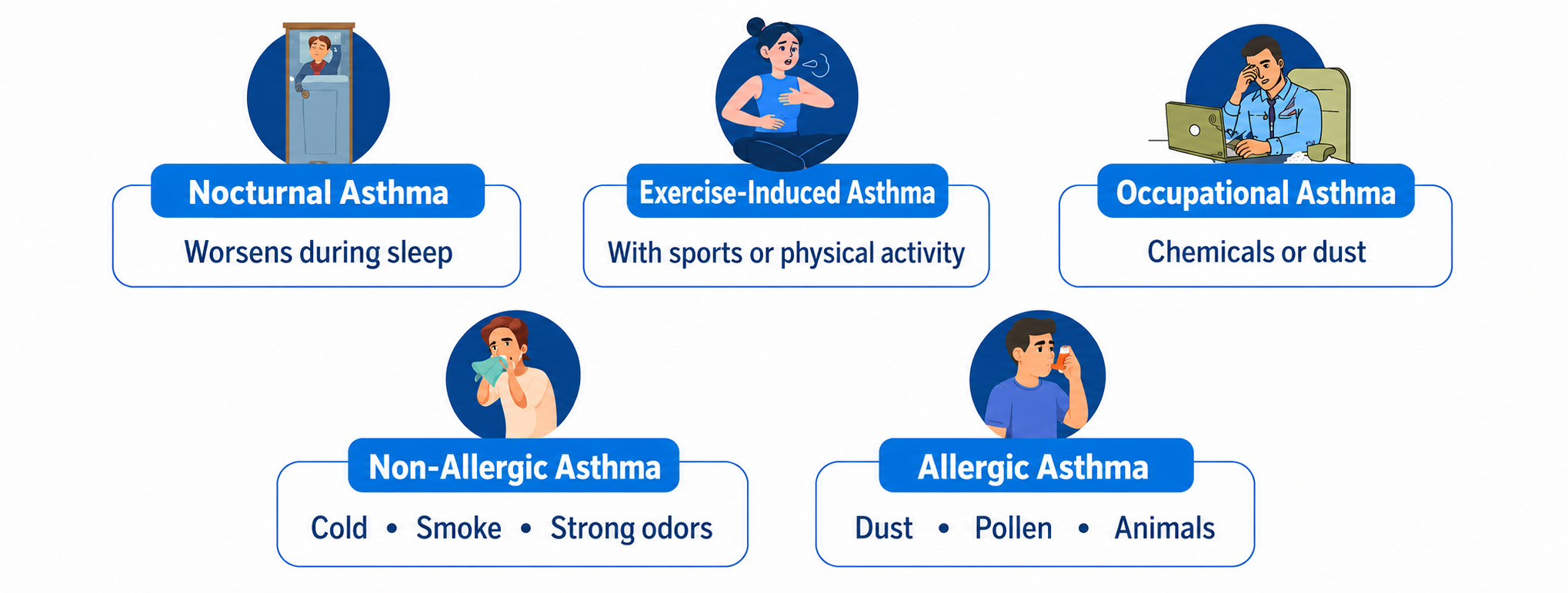 Therefore, asthma is not always the same for everyone. Its types and triggers can differ from one person to another.
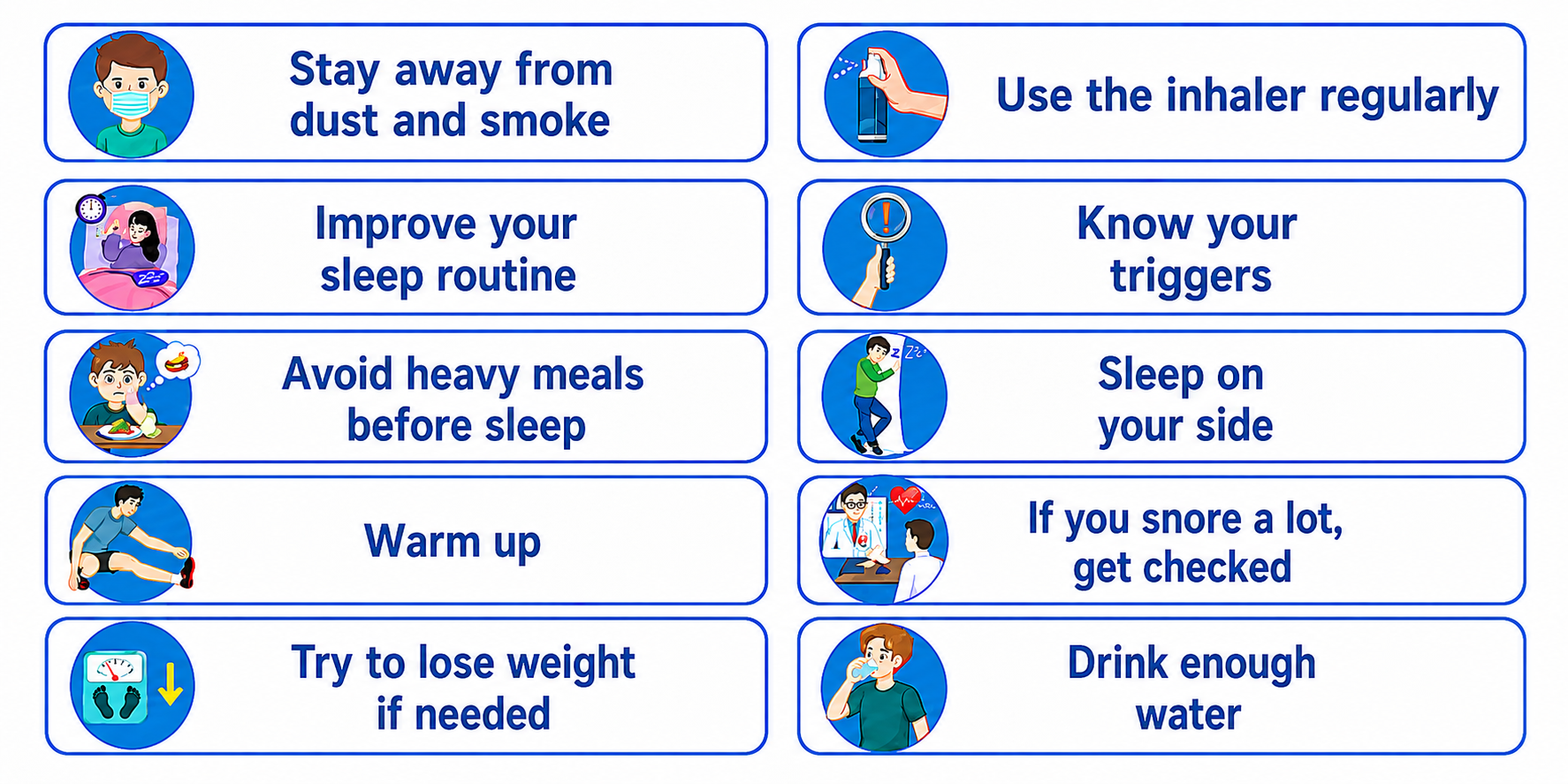 Asthma may be a chronic condition, but it can be managed when you understand your symptoms and know what triggers them.
By using your inhaler regularly, avoiding dust and smoke, and paying attention to nighttime symptoms or snoring, you can take better care of your breathing and overall health.
Beyond is always with you to help you understand your body and feel reassured about your health.