
Blood donation simply means that a healthy person donates a specific amount of their blood to help patients who need a blood transfusion or one of the components of blood.
Although medical science has made major progress, there is still no way to manufacture blood or fully replace it. Therefore, thousands of patients continue to depend mainly on people’s blood donations.
That is why understanding blood donation is important. So, let’s explore why donating blood matters with Beyond.
The Importance of Blood Donation
Blood is essential in many medical situations. For example, it may be needed in: Because of this, every donation can make a real difference in the life of someone who needs it. In other words, a single act of donating blood can support patients during some of the most critical moments in their lives.
How Can More Than One Person Benefit from One Donation?
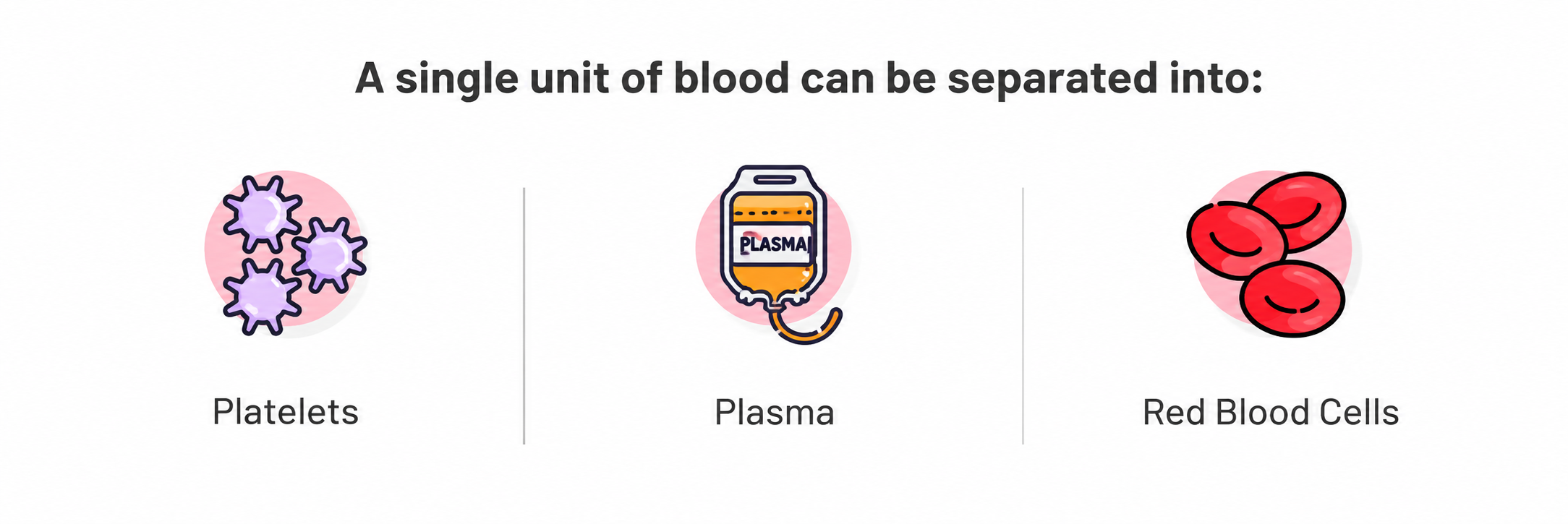 As a result, more than one patient can benefit from a single donation.
When we donate one blood bag, we are not only helping one person. In fact, we could be helping more than one patient because each blood component has a different use and is needed for different medical cases.
As a result, more than one patient can benefit from a single donation.
When we donate one blood bag, we are not only helping one person. In fact, we could be helping more than one patient because each blood component has a different use and is needed for different medical cases.
Who Can Donate Blood?
Now that we understand the importance of blood donation, it is also important to know who can donate.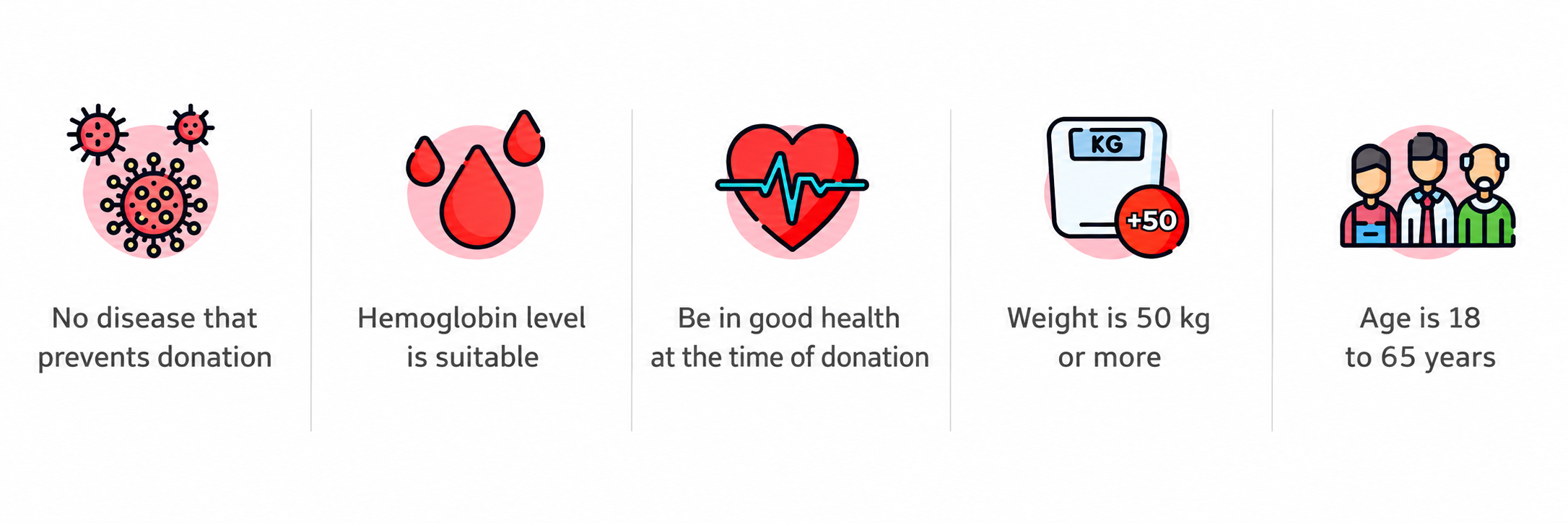 When it comes to hemoglobin levels:
- Women: 12.5 or higher
- Men: 13 or higher
Who Should Temporarily Avoid Donating Blood?
However, not everyone should donate blood at all times. In some cases, it may be better to postpone blood donation temporarily. This may apply to: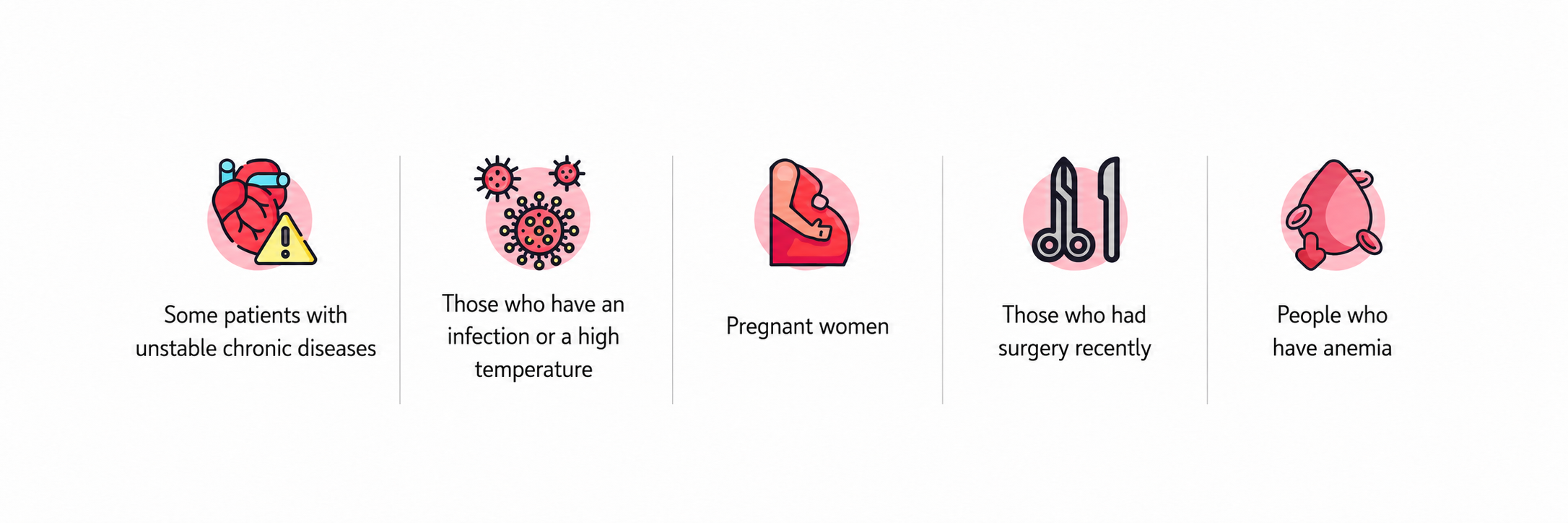 In all cases, the medical condition is evaluated before donation. This helps ensure that the donation process is safe for both the donor and the patient receiving the blood.
Benefits of Blood Donation
In addition to saving lives, blood donation has an important impact on the patient, the community, and the donor.Benefits of Blood Donation for the Patient
For the patient, blood donation can be life-changing because it:- Can save their life
- Can help them recover better
- Can support their treatment
Benefits of Blood Donation for the Community
On a wider level, blood donation also supports the community. It:- Helps provide a safe blood supply
- Supports hospitals during emergencies and crises
Benefits of Blood Donation for the Donor
At the same time, the donor also takes part in a meaningful experience. Through donation:- The donor goes through an initial health check
- The donor takes part in an important humanitarian act
- The donor becomes a direct reason for saving another person’s life
Is Blood Donation Safe?
One of the most common questions people ask is whether blood donation is safe. The answer is yes, blood donation is very safe.- All tools used are sterile and used only once
- The body replaces the lost fluids in a short time
- The donor is checked before donation to make sure the process is safe for them
Blood Types and Compatibility
Before donating or receiving blood, blood type compatibility is also an important factor to consider.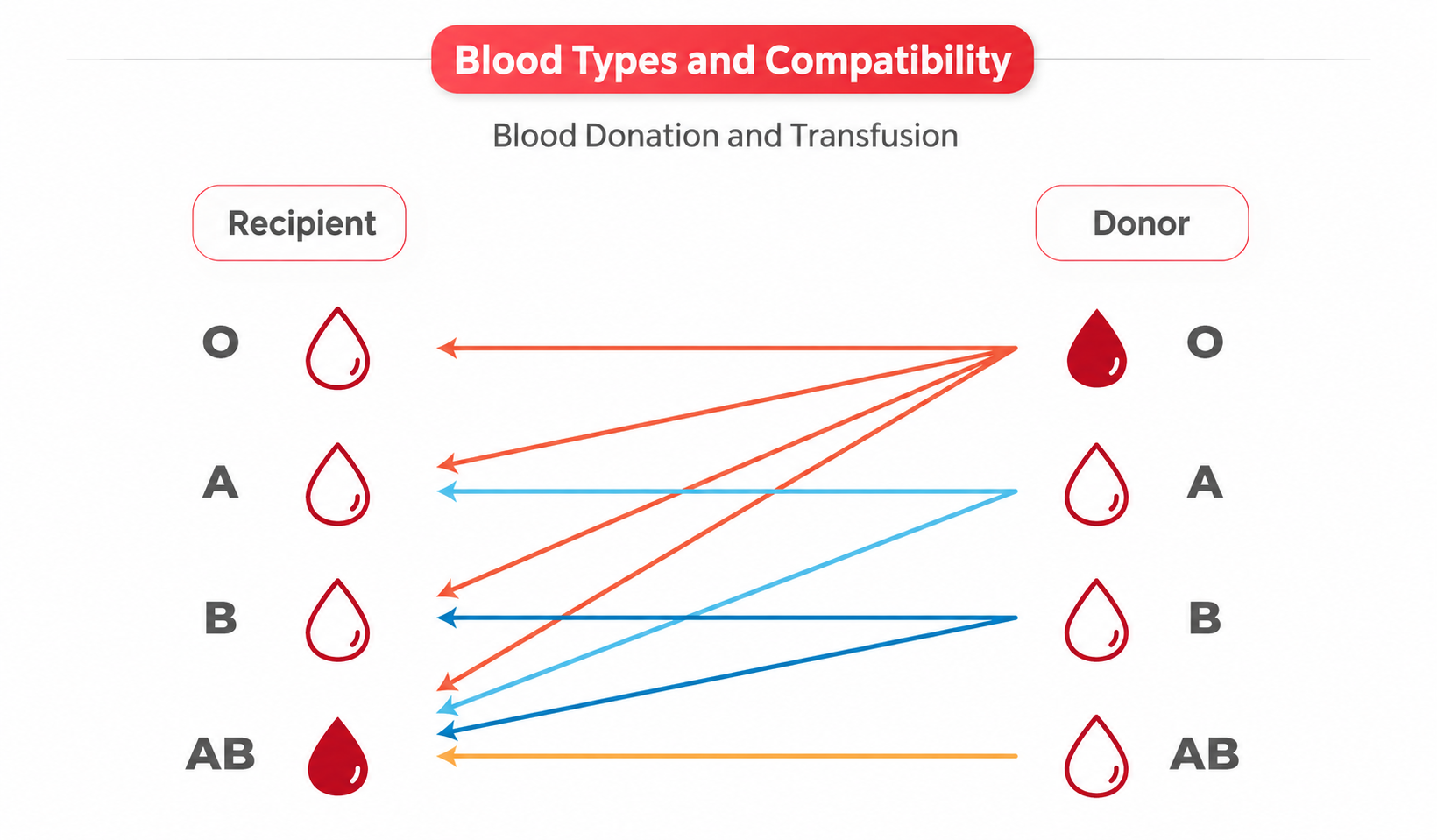 Important information:
- O- is called the Universal Donor
- AB+ is called the Universal Recipient
How Should I Prepare for Blood Donation?
Finally, preparing well before and after blood donation can help make the experience easier and safer.Before Donating
Before donating blood, it is recommended to:- Drink enough water
- Eat a light and balanced meal
- Get enough sleep
After Donating
After donating blood, it is also important to:
- Drink plenty of fluids
- Avoid intense physical effort for the rest of the day
- Focus on food that contains iron and protein
With Beyond, learn more about the importance of blood donation and be ready to become part of a meaningful humanitarian act.