One of the Most “Silent” Cancers… and That Is Why It Can Be Discovered Late
Pancreatic cancer is considered one of the cancers that may be discovered late because, sometimes, it does not show clear symptoms in the beginning. That is why it is important to learn more about it and understand the signs that may need attention.
During Pancreatic Cancer Awareness Month, learn more about it with Beyond.
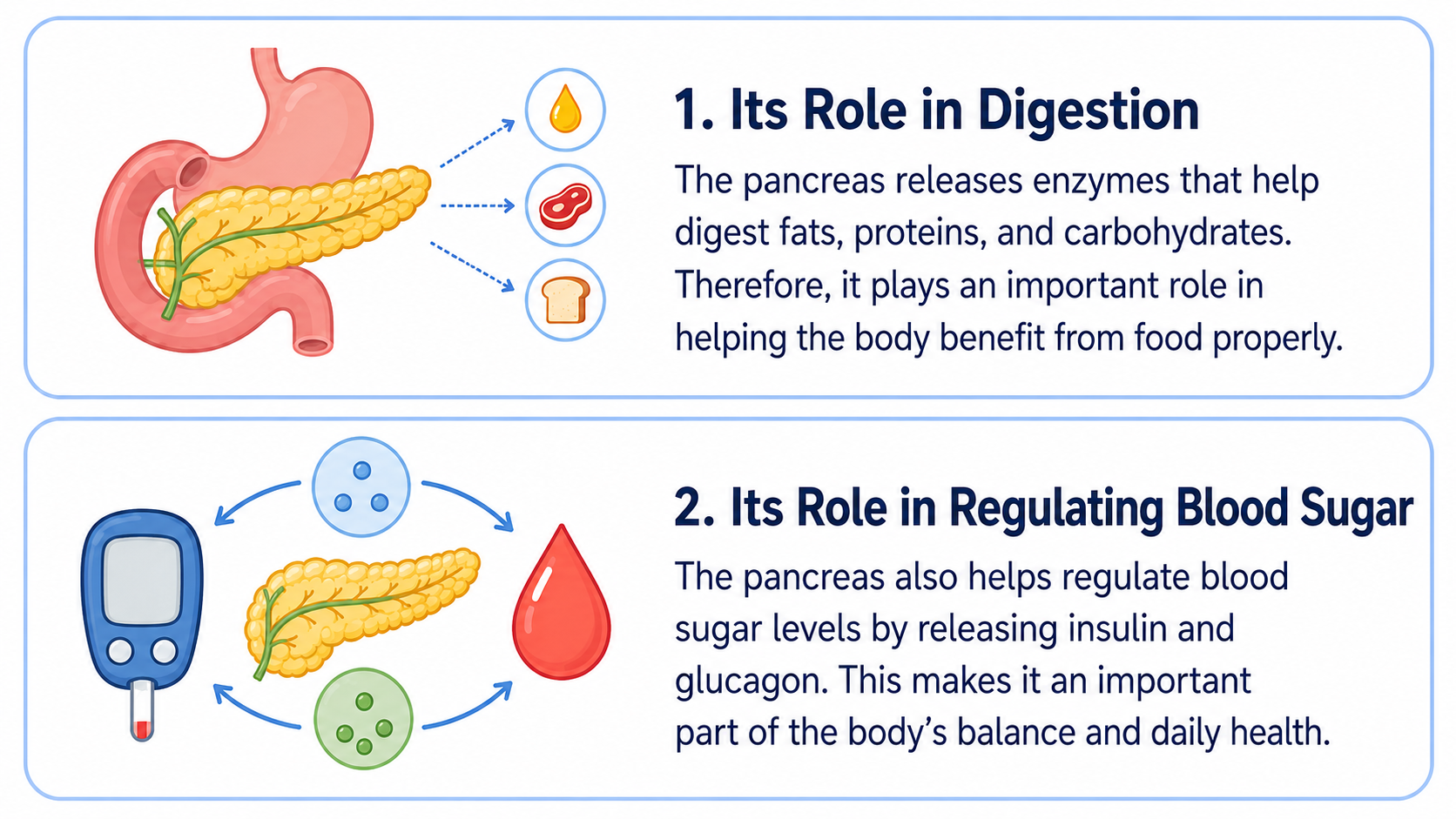
What Is the Pancreas and What Does It Do?
The pancreas is located behind the stomach, and it has two very important functions in the body.
Symptoms of Pancreatic Cancer
Pancreatic cancer is sometimes called the “silent disease” because it may not appear early. However, it is important to pay attention to any unusual changes in the body.
Symptoms of pancreatic cancer may include:
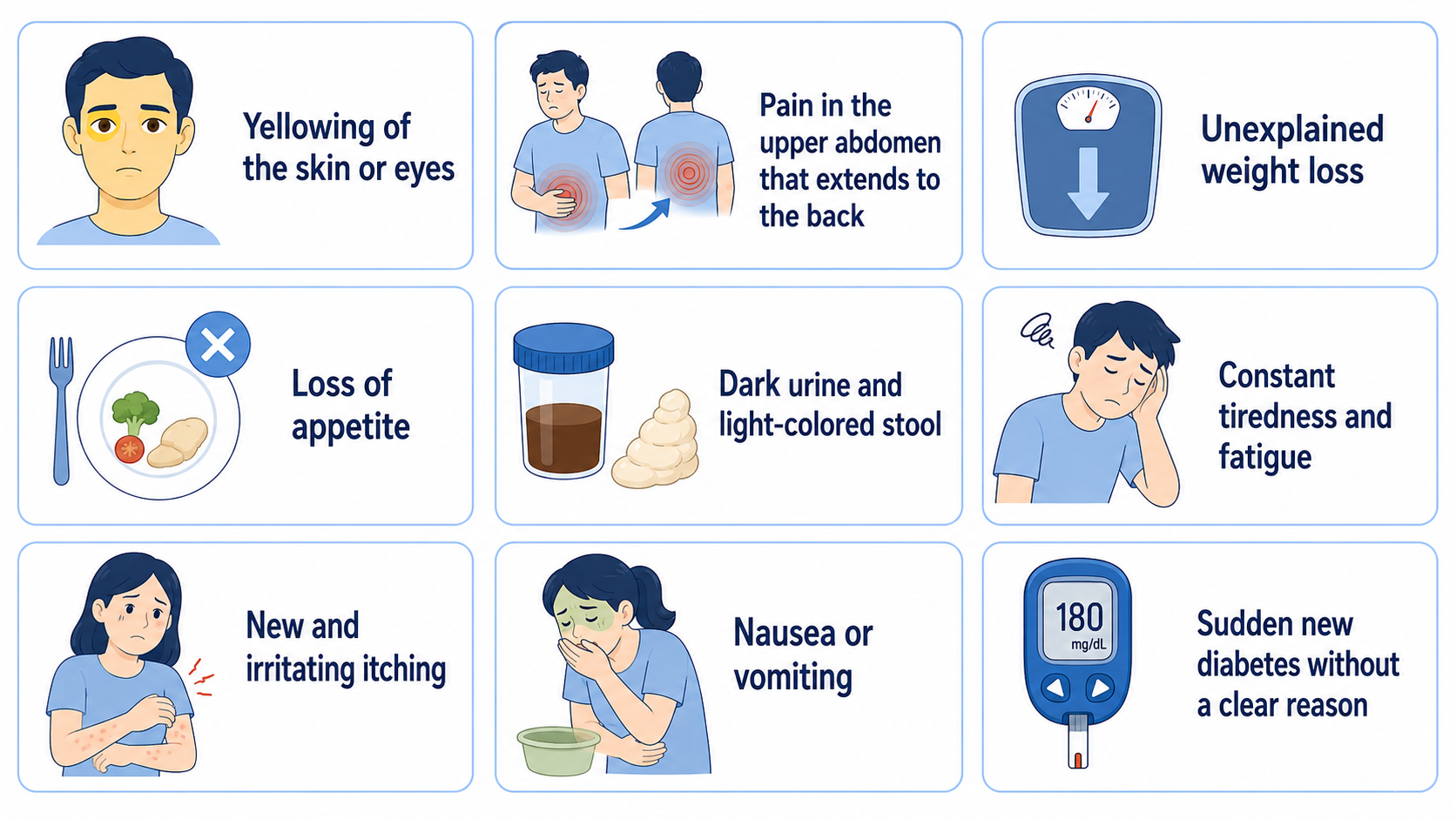
Therefore, noticing these symptoms early can help a person get checked and start follow-up at the right time.
Is Pancreatic Cancer Linked to Genetics?
Yes, pancreatic cancer can be linked to genetics in some cases.
Around
5–10% of cases are caused by genetic mutations. This means that family history can be an important factor to consider.
Genetic Risk Factors
One factor that may increase the genetic risk is:
- If more than one person in the family has been diagnosed with pancreatic cancer
In these cases, regular follow-up and checkups are recommended for reassurance and early detection.
What Are the Other Risk Factors?
In addition to genetic factors, there are other factors that may increase the risk of pancreatic cancer.
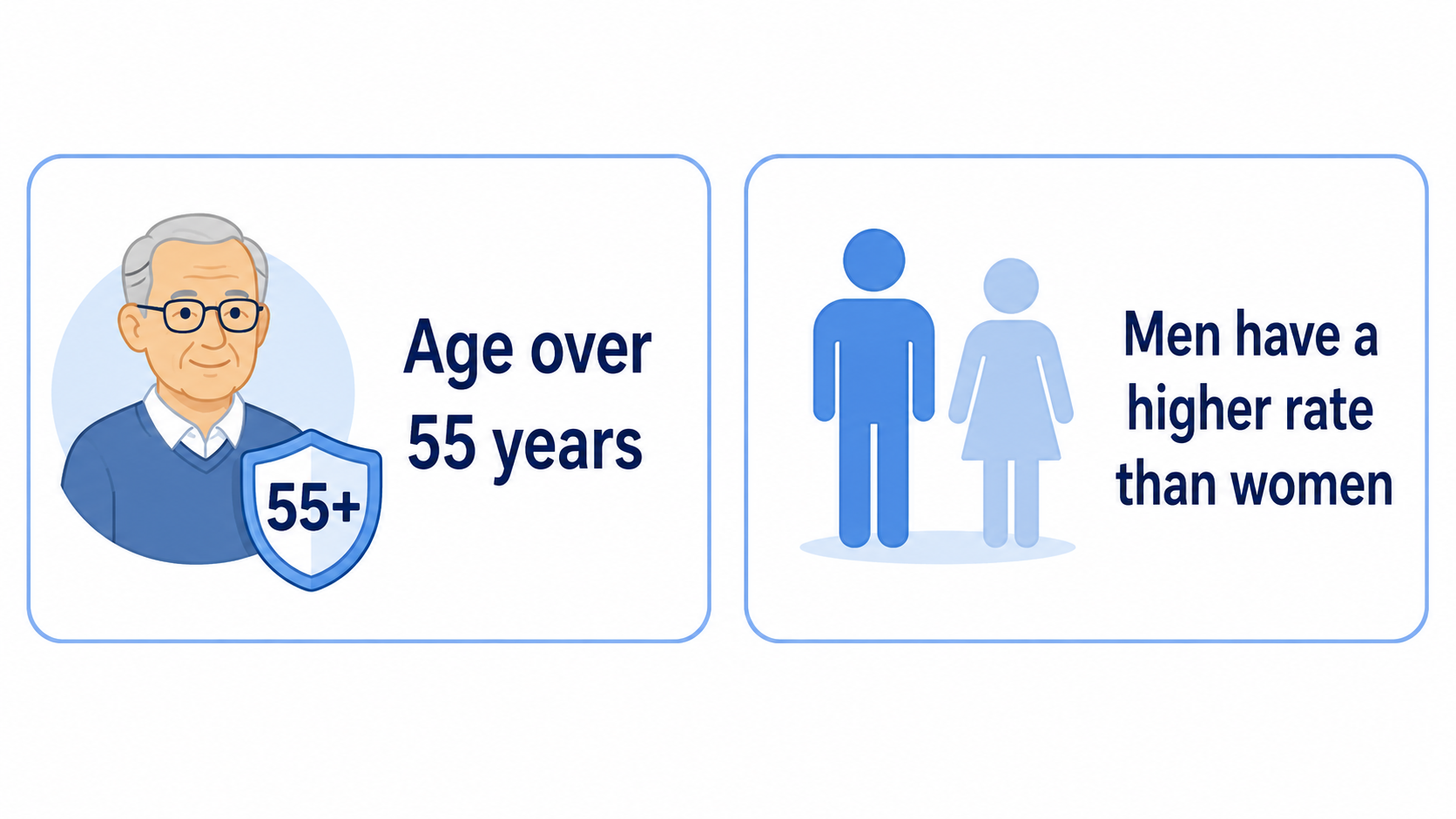
Risk factors include:
There are also lifestyle-related factors, such as:
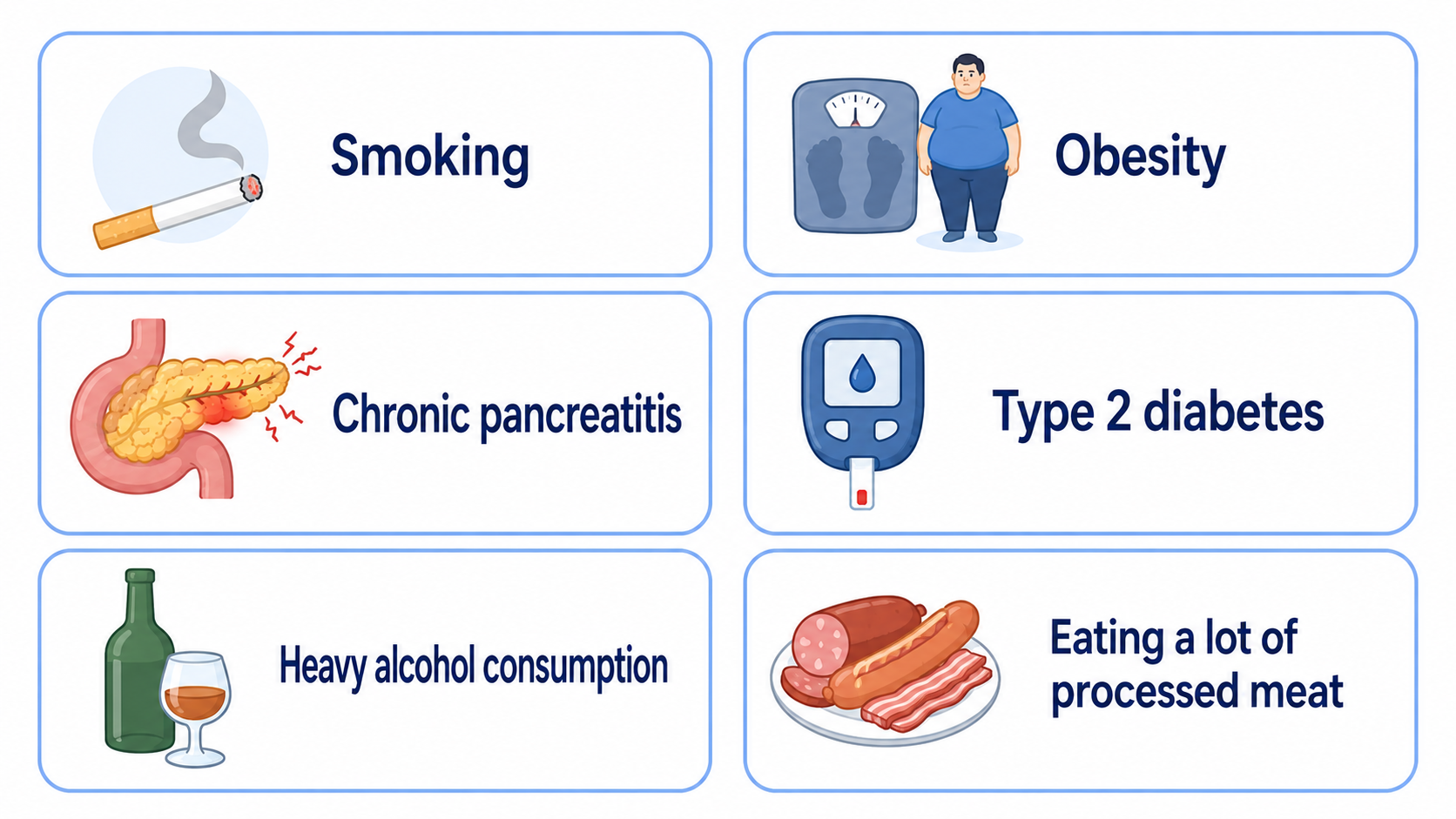
That is why understanding the risk factors is important. It helps us pay attention to our health and encourage people around us to follow up if they have any risk factors.
This information is not only for awareness. It is also for protecting yourself and the people around you.
Knowing the symptoms of pancreatic cancer, understanding its link to genetics, and paying attention to risk factors are all important steps that can help with early reassurance.
Share this information and be a reason someone gets checked early.
Beyond is always with you.