Polycystic Ovary Syndrome: PCOS or PMOS? Why Are Some Researchers Talking About a New Name?
25 June, 2026
Polycystic Ovary Syndrome: PCOS or PMOS?
When we hear about polycystic ovary syndrome, or PCOS, the first thing that may come to mind is the presence of cysts on the ovaries during an ultrasound.However, research over the years has shown that the condition is not only related to the ovaries. That is why some researchers have started talking about a new term: PMOS, which reflects a broader understanding of the condition.With Beyond, learn why some researchers have started using this term and how it changes the way we understand PCOS.
Is PCOS Just About Cysts?
If the first thing that comes to your mind when you hear PCOS is cysts appearing on an ultrasound, the truth is that the condition is bigger than that.Research has shown that polycystic ovary syndrome does not only affect the ovaries. It is also linked to:Therefore, understanding PCOS as only “cysts” may not fully explain all the effects it can have on the body.
Why Did the Term PMOS Appear?
As scientists’ understanding of the condition developed, the term PMOS started appearing in some research.PMOS stands for:Polyendocrine Metabolic Ovarian SyndromeIt refers to a syndrome that affects hormones, metabolism, and the ovaries together.
Why Does This Term Matter?
This matters because the symptoms of the condition can include much more than cysts on the ovaries.Symptoms may include:This shows that the condition is more than just the appearance of the ovaries on an ultrasound. It may have a wider impact on the body.
What Does PMOS Represent?
The term PMOS is made up of four words, and each one highlights an important part of the condition.
Polyendocrine
Because more than one hormone can be involved.
Metabolic
Because metabolism and insulin resistance play an important role in many affected women.
Ovarian
Because the ovaries and ovulation are still a key part of the condition.
Syndrome
Because it is a syndrome that brings together a group of different symptoms and signs.As a result, the term tries to reflect that the condition has multiple aspects and is not limited to the ovaries only.
Insulin Resistance: An Important Part of PCOS
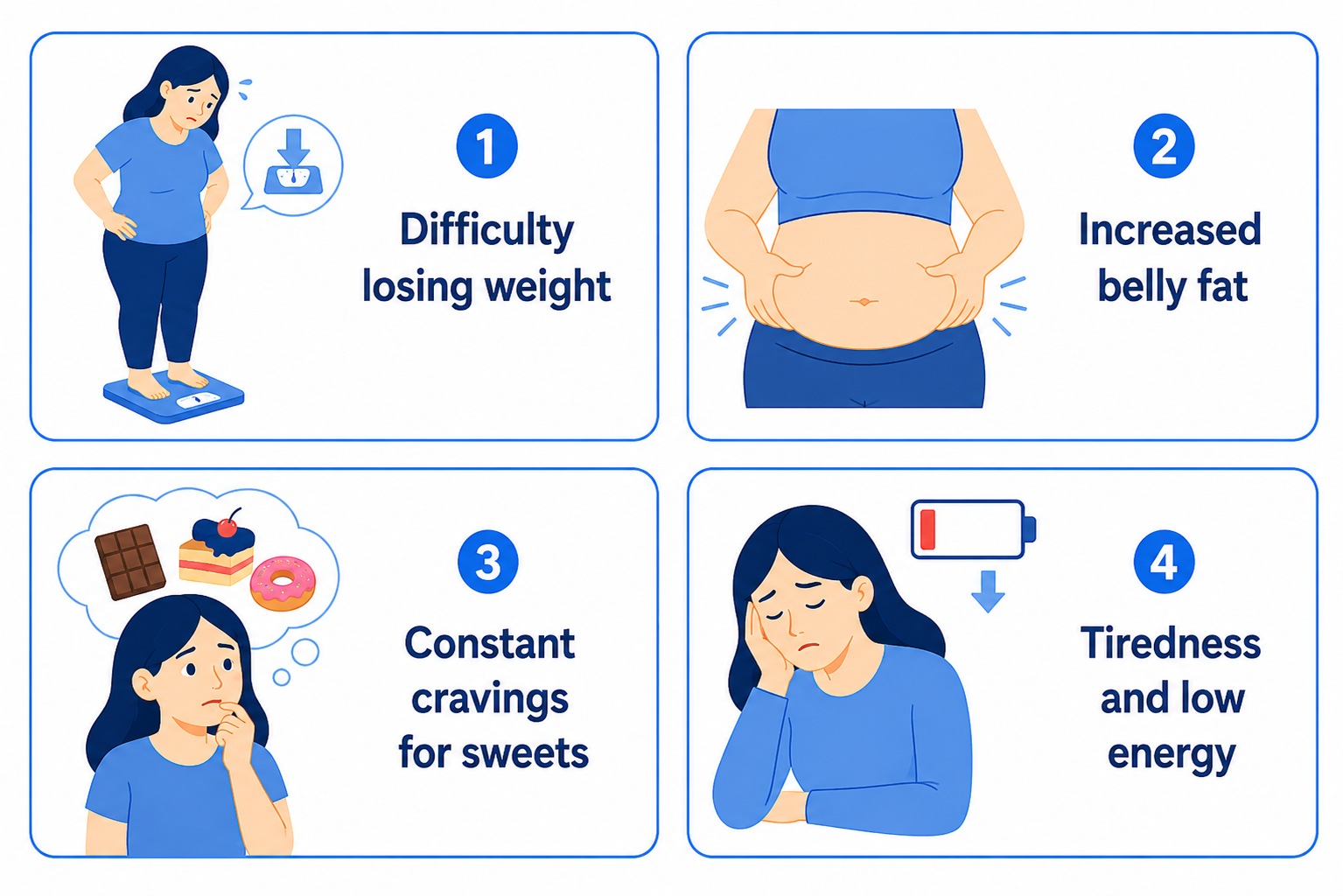
One of the most important things that changed how we understand PCOS is insulin resistance.This helps explain why some girls and women experience:At the same time, insulin resistance may also contribute to hormonal symptoms such as:That is why managing PCOS requires a broader understanding of its effect on both hormones and metabolism.
PCOS or PMOS: What Matters Most Is Understanding the Condition Better
Whether you know the condition as PCOS or have heard about PMOS, what is certain is that our understanding of the condition has become wider than just the presence of cysts on the ovaries.The better we understand its effect on hormones and metabolism, the better we can manage its symptoms in a more complete way and improve the quality of life for women affected by it.
Important Note
The term PMOS is a scientific direction that has appeared in some research to reflect the broader picture of the condition. However, it is not an alternative name for PCOS yet.Polycystic ovary syndrome is not just about cysts that appear on an ultrasound. It is a condition that may be linked to hormones, metabolism, insulin resistance, and ovulation.That is why understanding the condition more broadly can help manage its symptoms in a more complete way and help every girl or woman understand her body better.Beyond is always with you to help you understand your health and feel reassured.

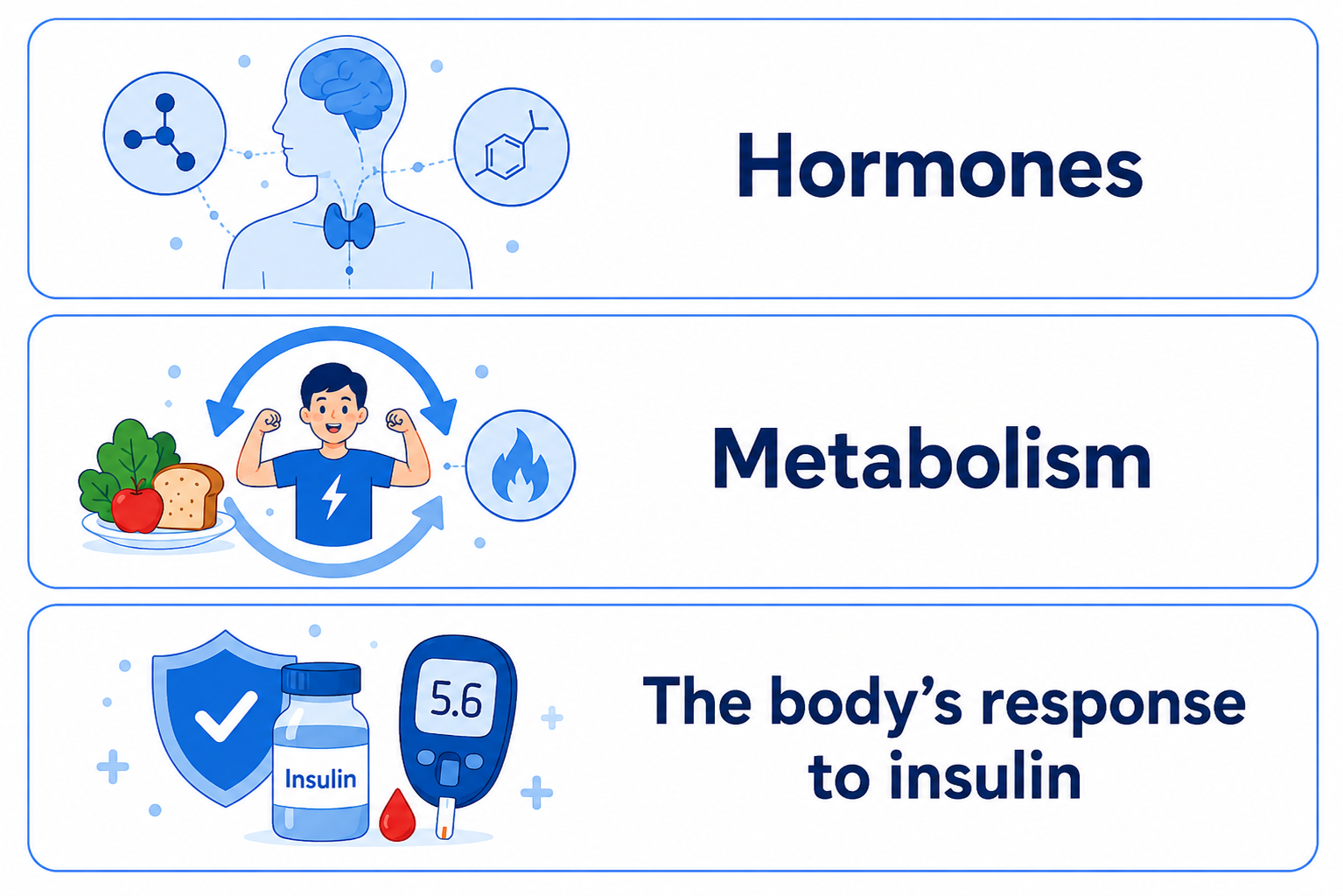 Therefore, understanding PCOS as only “cysts” may not fully explain all the effects it can have on the body.
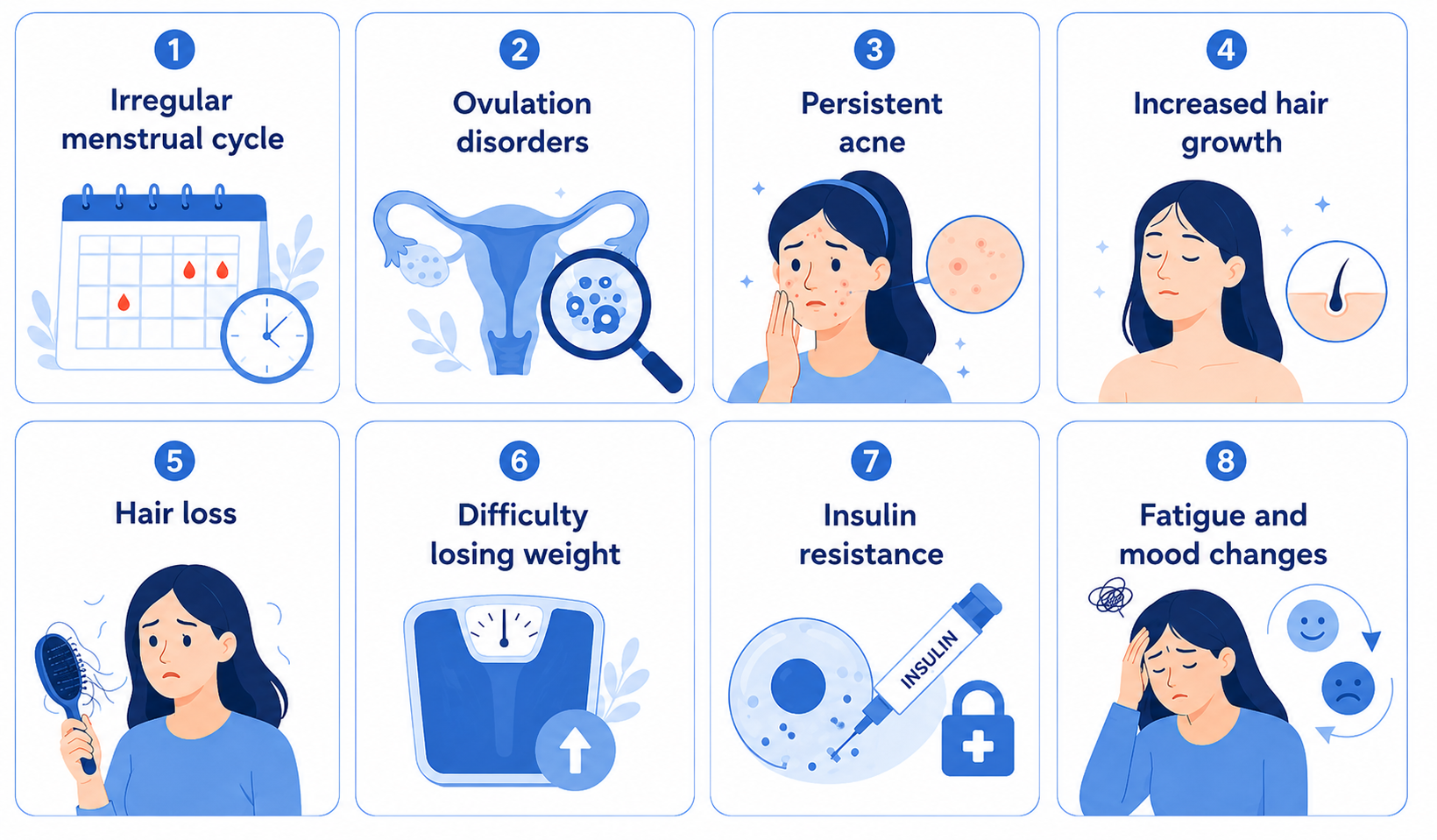 This shows that the condition is more than just the appearance of the ovaries on an ultrasound. It may have a wider impact on the body.
 At the same time, insulin resistance may also contribute to hormonal symptoms such as:
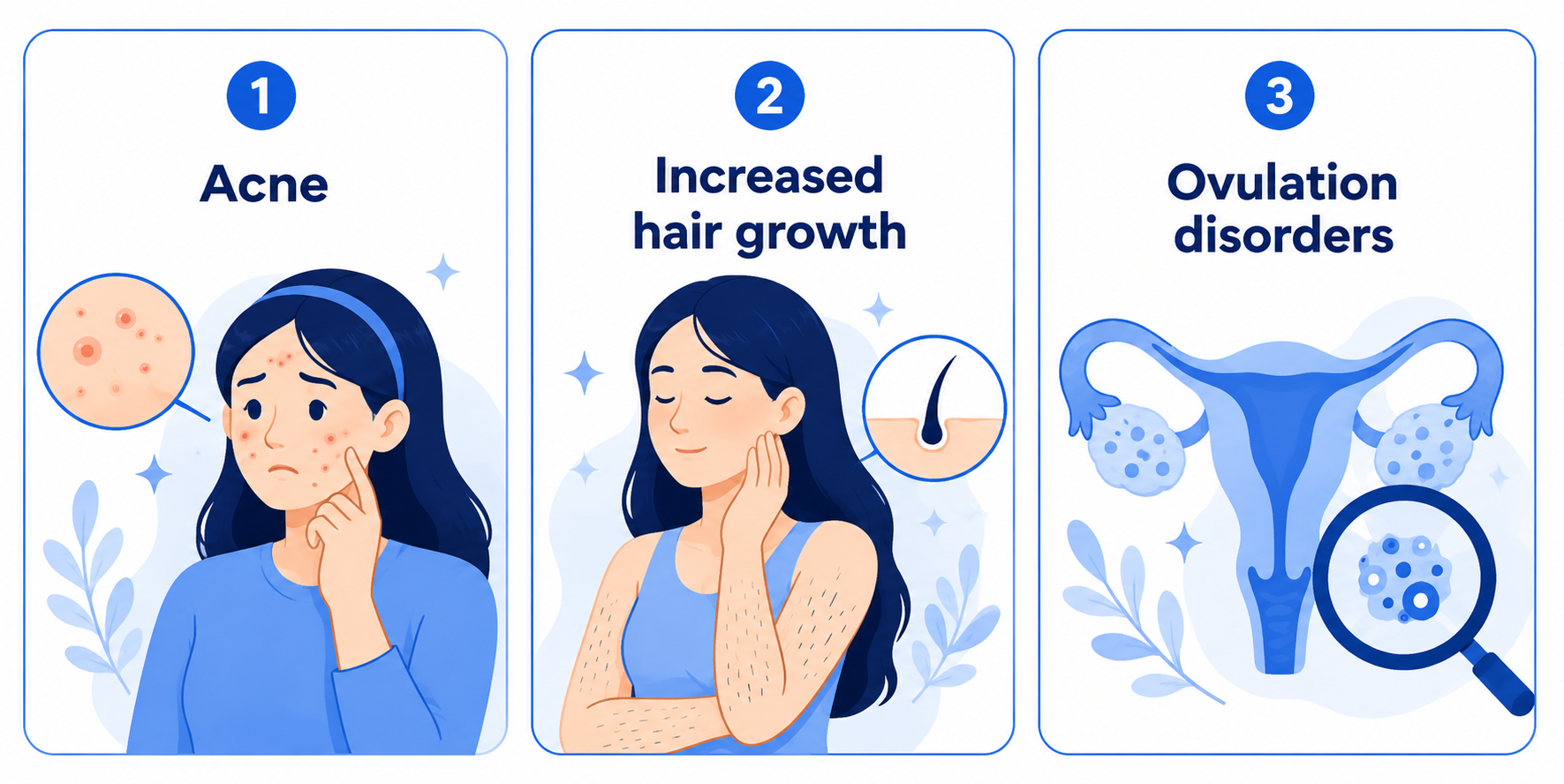 That is why managing PCOS requires a broader understanding of its effect on both hormones and metabolism.