Psoriasis: Symptoms, Triggers, and How to Manage It
28 June, 2026
If You Have These Symptoms… It May Be Psoriasis, Not Ordinary Dandruff
During Psoriasis Awareness Month, Beyond is with you to help you understand the condition and learn how to deal with it better.Psoriasis is a chronic immune condition that affects the skin. It causes skin cells to renew faster than normal, which appears as red patches covered with white or silver scales. It is often accompanied by itching or inflammation.That is why it is important to understand that psoriasis is not just dandruff or simple dryness. It is a condition that needs awareness and care.
Types of Psoriasis Based on Where It Appears
Psoriasis can appear in different areas of the body, and each area can affect daily life in a different way. Psoriasis may appear on:Therefore, psoriasis does not only affect the appearance of the skin. It can also affect comfort, movement, and self-confidence, depending on where it appears and how severe it is.
Causes or Triggers of Psoriasis
Certain factors may trigger psoriasis or make it worse. Although triggers can differ from one person to another, there are common factors to pay attention to.Psoriasis triggers may include:That is why knowing your personal triggers can help reduce psoriasis flare-ups and make the condition easier to manage.
How Can Psoriasis Be Managed?
Managing psoriasis starts with a simple routine and consistent skin care. Some helpful steps include:With consistency, these habits may help reduce skin irritation and keep the skin calmer.
Diet and Stress Management
Reducing inflammation is not only about skincare. It is also connected to lifestyle. Helpful steps may include:
Following a healthy diet with vegetables, fruits, and light foods that may help reduce inflammation
Reducing stress in any suitable way, even talking to someone close can make a difference
Following up with a doctor, because the treatment plan is not the same for everyone
The doctor determines the most suitable approach based on the type and severity of the condition, whether through creams or other options.
Pay Attention to the Emotional Impact of Psoriasis
Many people who have psoriasis feel embarrassed or feel that they need to hide their skin, especially during summer or special occasions.Some may avoid certain clothes, going out, or even social relationships because of people’s comments or looks.This can affect their self-confidence and mental health.That is why psoriasis is not only a skin condition. It can also have emotional and social effects that need support and understanding.
How Can We Help?
Support starts with the way we speak and deal with people who have psoriasis. We can help by:Psoriasis is a chronic immune condition, but it can be managed better when we understand it, know its triggers, and care for both the skin and mental health.Most importantly, we should remember that support and respect can make a big difference for anyone living with psoriasis.Beyond is always with you to help you understand your health and feel reassured.

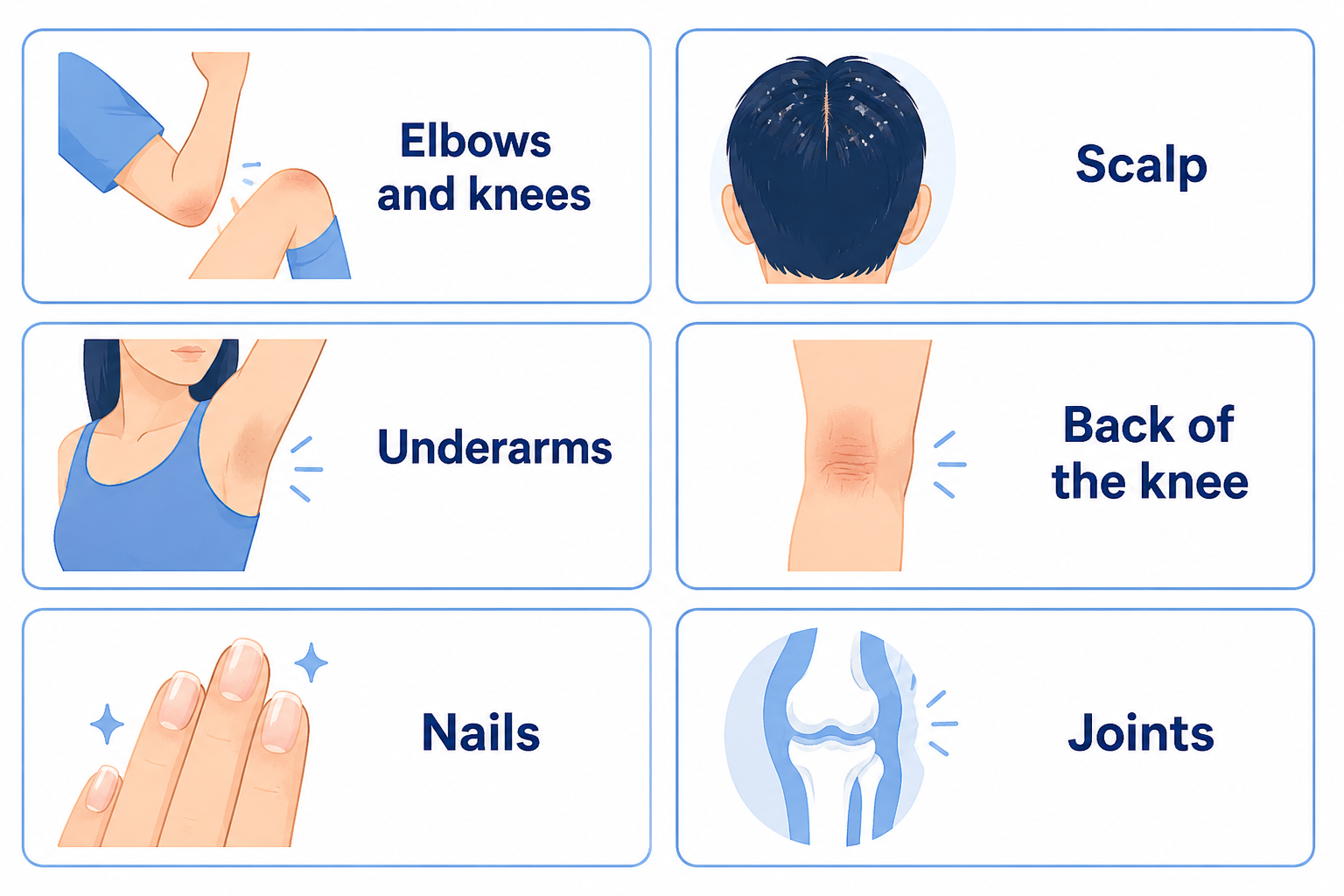 Therefore, psoriasis does not only affect the appearance of the skin. It can also affect comfort, movement, and self-confidence, depending on where it appears and how severe it is.
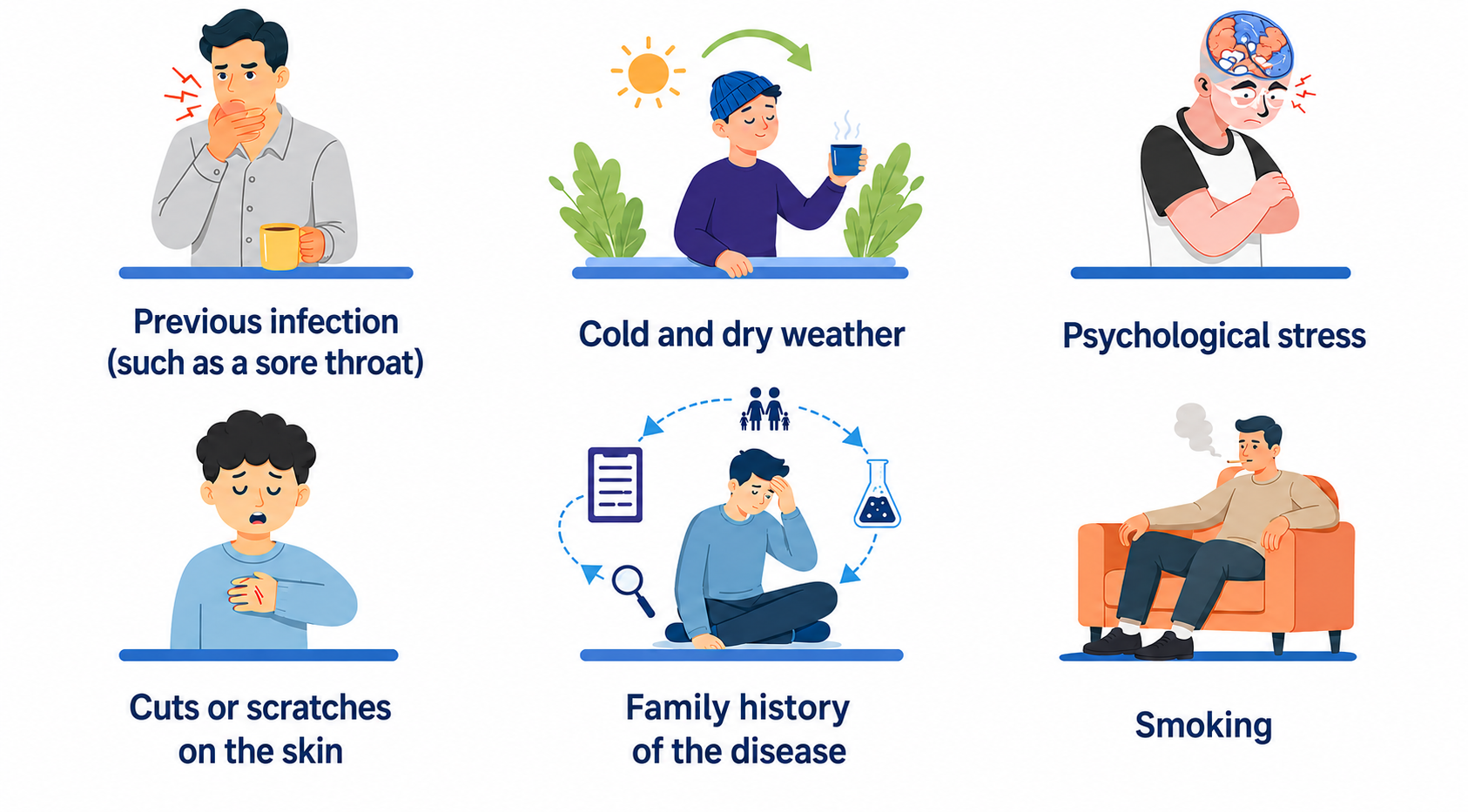 That is why knowing your personal triggers can help reduce psoriasis flare-ups and make the condition easier to manage.
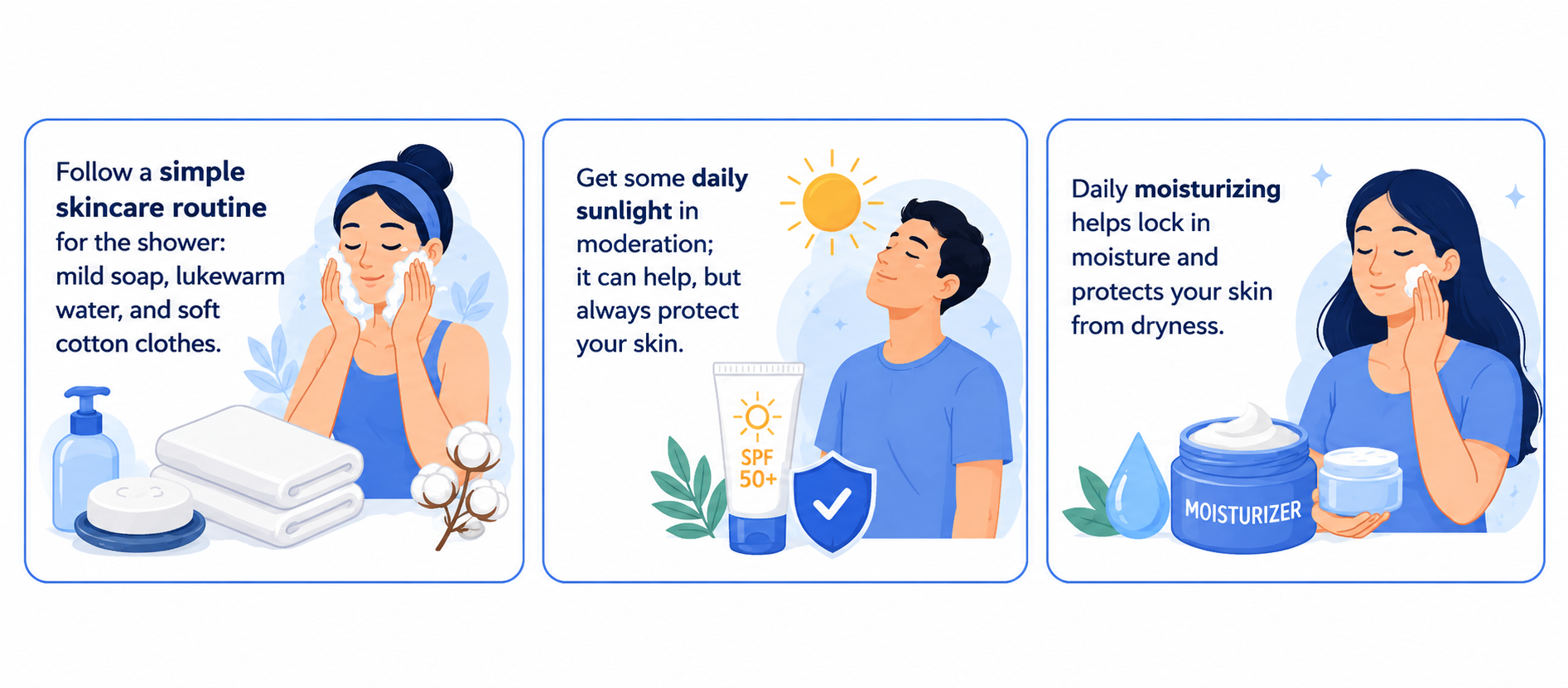 With consistency, these habits may help reduce skin irritation and keep the skin calmer.
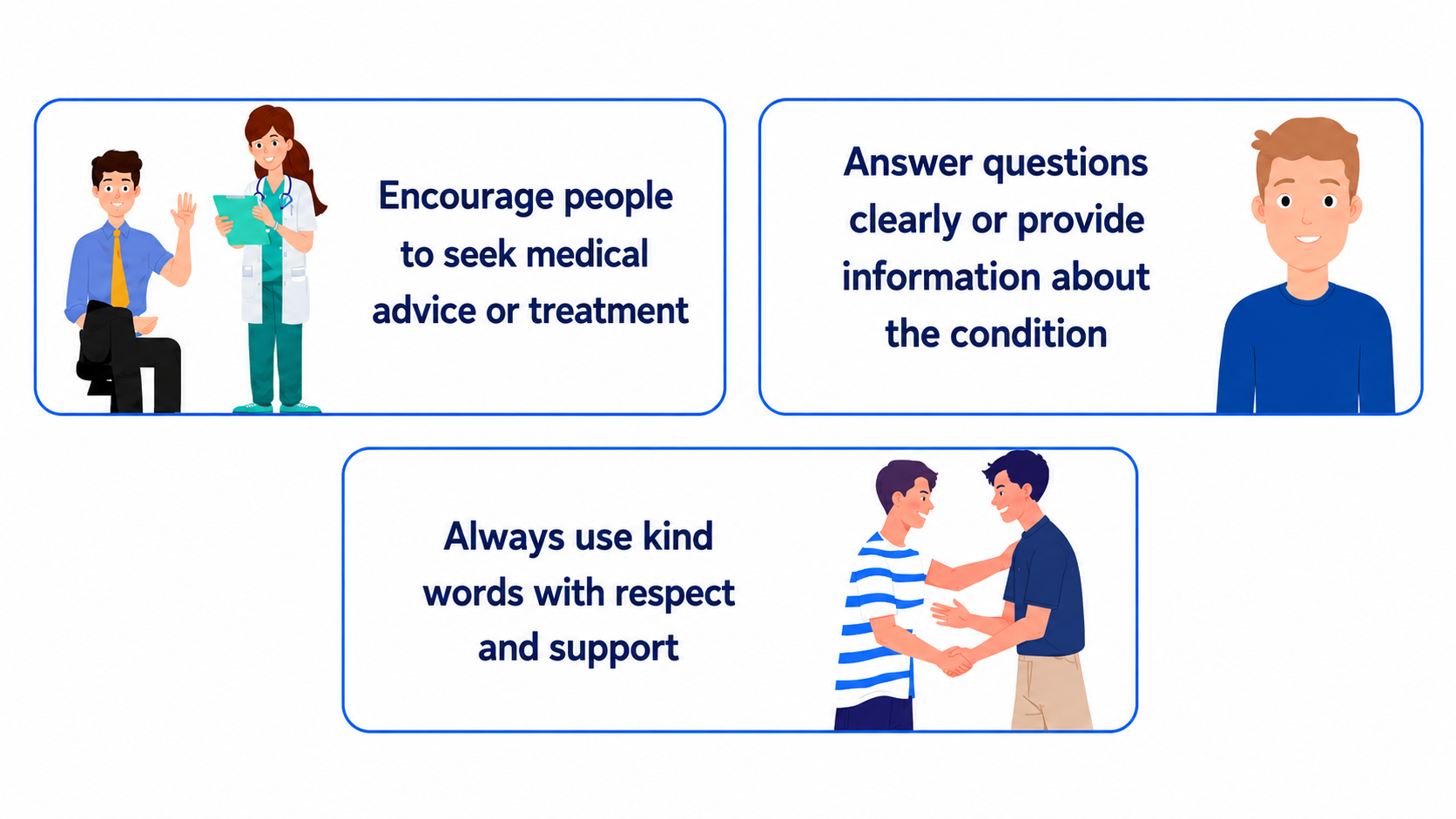 Psoriasis is a chronic immune condition, but it can be managed better when we understand it, know its triggers, and care for both the skin and mental health.
Most importantly, we should remember that support and respect can make a big difference for anyone living with psoriasis.
Beyond is always with you to help you understand your health and feel reassured.
Psoriasis is a chronic immune condition, but it can be managed better when we understand it, know its triggers, and care for both the skin and mental health.
Most importantly, we should remember that support and respect can make a big difference for anyone living with psoriasis.
Beyond is always with you to help you understand your health and feel reassured.