
Egypt was once among the countries with the highest rates of Hepatitis C infection. Through widespread awareness campaigns, early screening, and free treatment programs, the country achieved remarkable success in treating millions of people.
Despite this progress, hepatitis remains an important health concern. Raising awareness and encouraging early detection can make a significant difference in preventing serious complications and protecting long-term liver health.
What Is Hepatitis?
At Beyond, we believe that informed decisions lead to healthier lives.
Hepatitis is a viral disease that affects the liver and exists in several forms. Some types are mild and can be cleared naturally by the immune system, while others may remain in the body and lead to serious conditions such as liver cirrhosis, liver failure, or even liver cancer if left untreated.
Types of Hepatitis Viruses and How They Spread
Hepatitis A and E
Hepatitis A and E are primarily transmitted through:
- Contaminated food or water.
- Poor hygiene and inadequate sanitation.
Simple habits such as washing your hands regularly and drinking clean water can significantly reduce the risk of infection.
Hepatitis B, C, and D
These types can spread through:
- Contact with infected blood or the use of unsterilized tools, including razors, needles, or cosmetic instruments.
- Transmission from mother to child during pregnancy or childbirth.
- Unprotected sexual contact.
- Contaminated blood transfusions, although this is now rare due to routine blood screening practices.
Common Symptoms of Hepatitis
Symptoms may include:
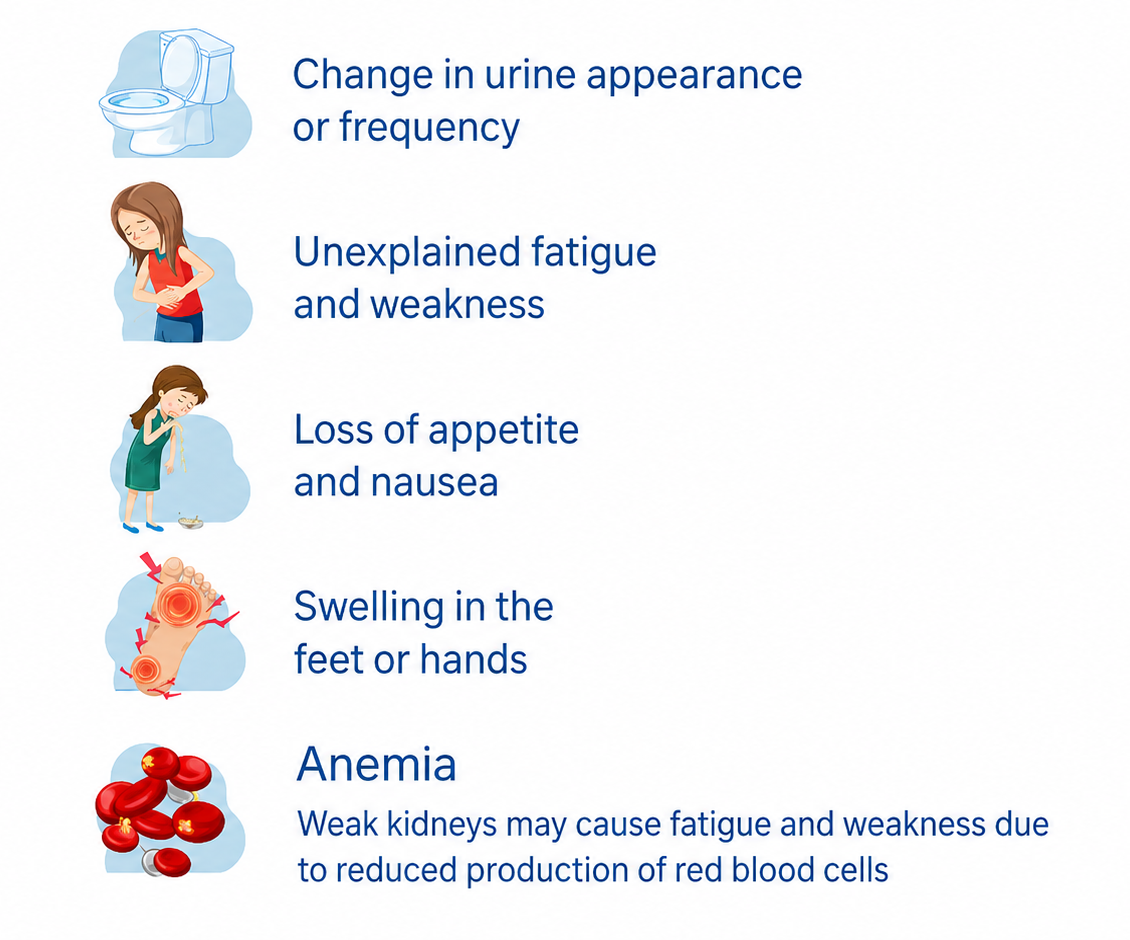
However, it is important to note that many people experience no symptoms at all, making early testing and screening especially valuable.
How to Protect Yourself and Support Liver Health
You can lower your risk by following these preventive measures:
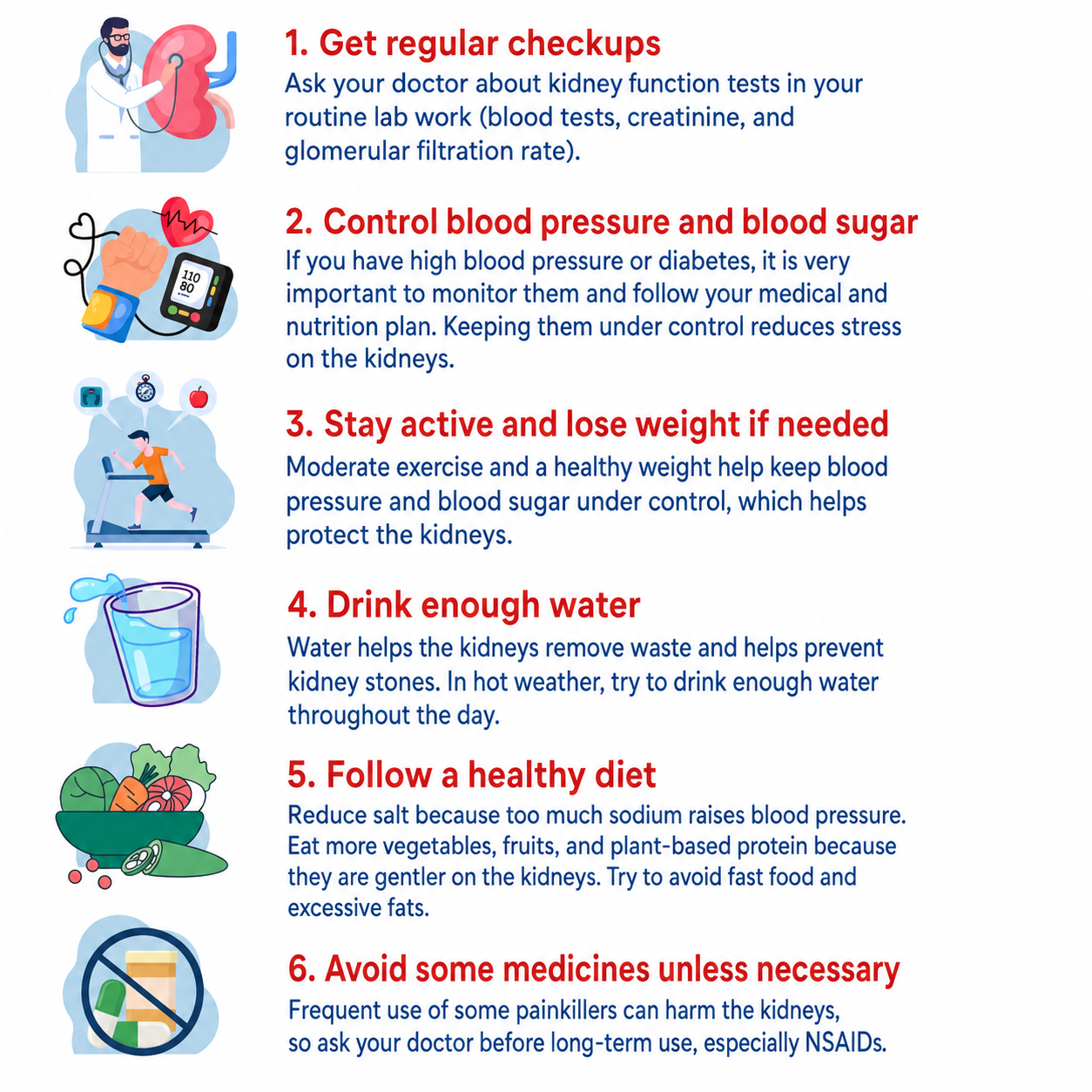 Maintaining good liver health starts with awareness, prevention, and early detection. Understanding how hepatitis spreads, recognizing its symptoms, and following simple protective measures can help reduce the risk of infection and contribute to better long-term health for you and your community.